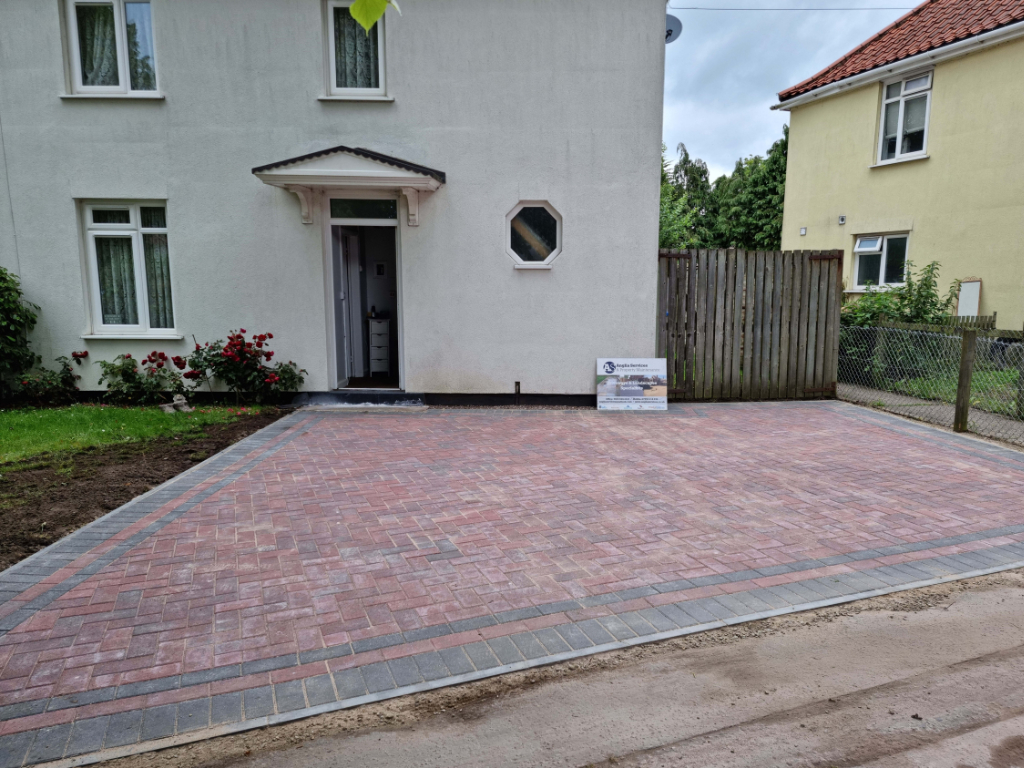
Can Resin Surfacing Revitalise a Faded Property Entrance?
A worn or faded entrance can affect the appearance of an entire property. Discolouration, minor surface defects and untidy edges often make the area look older than it is, even when the surrounding building and garden are well maintained.
Resin surfacing can provide a clean, contemporary finish for property entrances in Bury St Edmunds, Suffolk. However, achieving a durable result depends on selecting the appropriate system, preparing the area correctly and ensuring that the supporting base is suitable.
How Resin Surfacing Can Transform a Property Entrance
A professionally installed resin surface combines decorative aggregate with a resin binder to create a consistent finish. Its visual appeal is important, but the design and preparation beneath the surface have an equally significant effect on its performance.
Creating a Fresh and Consistent Appearance
Older entrances often contain several colours and textures caused by previous repairs, weathering or the use of different materials. Resin can create a more unified appearance across the area, reducing the patchwork effect of a tired surface.
A broad range of aggregate blends makes it possible to select a finish that complements the property rather than competing with it. Neutral, natural-looking tones can provide a subtle improvement, while carefully chosen edging can give the entrance greater definition.
Improving the First Impression of the Property
The entrance is one of the first areas visitors see. A clean and well-planned surface can make the approach to the property feel more orderly and welcoming.
Resin surfacing can be used to improve:
- Driveway entrances
- Front paths and walkways
- Parking areas
- Routes leading to the main doorway
- Borders around landscaped sections
- Transitions between different outdoor surfaces
The layout should reflect how vehicles and pedestrians actually move through the space.
Producing a Smooth, Accessible Finish
Resin-bound surfacing creates a smooth finish without loose stones moving across the entrance. This can make paths and access routes easier to use than uneven or deteriorating surfaces.
Careful installation is needed around slopes, steps, drainage points and adjoining materials. A smooth surface should still have suitable levels and transitions so that it remains practical for everyday use.
Reducing the Appearance of Patch Repairs
Repeated local repairs can leave an entrance looking inconsistent, particularly when replacement materials do not match the surrounding surface. Resin may provide a way to achieve a more uniform finish where the existing base is stable and suitable for the proposed installation.
Resin should not simply be applied to hide active cracking or movement. If the supporting surface is failing, those defects are likely to affect the new finish unless they are corrected first.
The Existing Base Must Be Assessed
The strength of a resin surface depends heavily on what lies beneath it. A suitable base should be stable, properly constructed and free from significant movement.
Before installation, an assessment should consider:
- Cracks and signs of movement
- Weak, loose or crumbling areas
- Existing surface levels
- Drainage and water collection
- Contamination or vegetation
- The condition of edges and adjoining surfaces
- How the area will be used
Some entrances may be suitable for resurfacing after preparation, while others require more extensive base work. This decision should be based on condition rather than appearance alone.
Good Drainage Protects the Finished Surface
Water should be directed away from buildings and prevented from collecting in low areas. Poor falls or inadequate drainage can create standing water and place pressure on the surface and its base.
Resin-bound systems can be permeable when they are installed over a compatible permeable construction. The finished surface should therefore be considered as part of the complete drainage design rather than treated as an isolated top layer.
Edging Helps Maintain a Defined Finish
Secure edging supports the perimeter and creates clean boundaries around the entrance. It can also separate resin from lawns, planting beds and other paved areas.
The choice of edging should suit the intended appearance while providing sufficient support. Weak or poorly aligned boundaries can undermine an otherwise well-installed surface.
Proper Mixing and Installation Matter
Resin and aggregate must be measured, mixed and installed consistently. Variations in mixing, timing or application can affect the colour, texture and strength of the finished surface.
Professional installation helps ensure:
- Even distribution of aggregate
- Consistent surface depth
- Accurate levels and falls
- Neat junctions around edges
- A uniform visual finish
- Appropriate preparation of the base
These details are particularly important across prominent property entrances, where inconsistencies are easy to notice.
Resin Can Complement Landscaping and Building Features
A successful entrance design should connect visually with the wider property. Aggregate colour, border details and the shape of the surfaced area can be chosen to work with existing planting, walls and architectural features.
Using too many materials or decorative elements may make a smaller entrance appear cluttered. A restrained layout often creates a clearer and more lasting result.
Routine Care Helps Preserve the Appearance
Resin surfaces require maintenance to remain attractive. Leaves, soil and other debris should be removed before they accumulate, and organic growth should be addressed appropriately.
Any oil, mud or other contamination should be treated promptly using suitable methods. Heavy objects and sharp equipment should also be handled carefully to avoid unnecessary surface damage.
Regular inspection of the edges, drainage points and adjoining materials can identify minor concerns before they spread.
When Resin May Not Be the Right Solution
Resin surfacing is not automatically suitable for every entrance. Significant base failure, ongoing ground movement or unsuitable drainage may need to be resolved before a resin system can be considered.
A professional assessment provides the clearest way to determine whether the entrance can be resurfaced or requires reconstruction. This helps ensure that the chosen improvement addresses the condition of the area rather than covering it temporarily.
Conclusion
Resin surfacing can revitalise a faded property entrance by creating a smooth, consistent and carefully coordinated finish. Its long-term success depends on a stable base, effective drainage, secure edging and accurate installation.
Bury St Edmunds Driveway Solutions provides professional resin surfacing services in Bury St Edmunds, Suffolk. If your property entrance looks worn or inconsistent, contact us to arrange an assessment and discuss whether resin is suitable for the area.
Call us on: 01284 331 496
Click here to find out more about Bury St Edmunds Driveway Solutions
Click here to complete our contact form and see how we can help with your driveway needs.